#11 | Reset Your Life 2026: Stay Calm and Composed
For many people in their 20s, 30s, and early 40s, life looks good on paper. A job that pays the bills. A city that never sleeps. A calendar that’s always full. Yet somewhere between meetings, notifications, and social expectations, a quiet thought keeps surfacing: Something feels off.
Wanting to reset your life does not mean you’ve failed. It usually means the opposite. It means you’ve grown. Your values have shifted. Your nervous system is tired. Your environment no longer matches the person you’re becoming.
A life reset is not about quitting everything, disappearing to a beach, or burning bridges. For modern city dwellers, a reset is often subtle, intentional, and deeply practical. It’s about realignment, not escape. This article serves as the foundation for a complete life reset series, built on minimalist thinking, emotional clarity, and sustainable change.

What Does It Mean to Reset Your Life?
At its core, resetting your life means pausing long enough to intentionally redesign how you live, think, and spend your energy.
It is not a single action. It’s a process of subtraction, awareness, and choice.
A true life reset usually involves:
Letting go of habits that no longer support you
Rebuilding daily routines around your actual needs
Creating mental and physical space to think clearly again
Reconnecting with what matters instead of what’s expected
For many urban professionals, life slowly becomes reactive. You wake up already behind. Your attention is fragmented. Even rest feels unproductive. A reset interrupts this pattern and returns you to a place of agency.
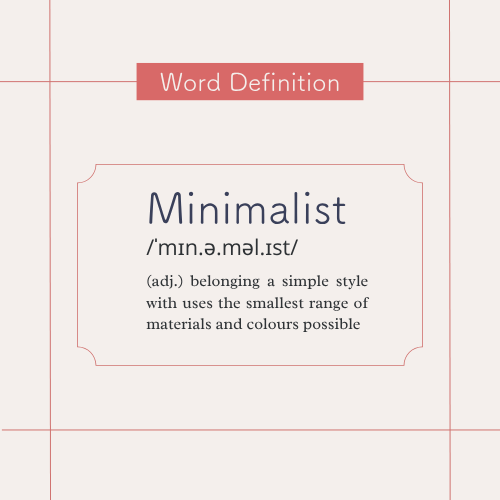
Minimalist philosophy plays a key role here. Not minimalism as an aesthetic, but as a decision-making filter. Fewer commitments. Fewer distractions. Fewer mental loops. More presence. More intention.
Why the Desire to Restart Your Life Is Increasing
The idea of restarting your life has become more common, especially among people who appear “successful.” There are a few reasons for this shift.
First, burnout is no longer rare. It’s normal. Many people spend years optimizing for productivity without considering sustainability.
Second, constant comparison has distorted our sense of progress. Social media shows curated lives, making even a good life feel inadequate.
Third, modern life leaves little room for reflection. Without intentional pauses, people wake up years later realizing they’ve been living on autopilot.
A life reset is often the mind’s way of asking for recalibration. It’s a signal that the system needs updating, not deleting.
Resetting Your Life Without Blowing Everything Up
One of the biggest fears people have is that resetting their life requires drastic action. Quitting a job. Ending relationships. Moving countries. While those things can be part of a reset, they are not requirements.
A sustainable reset usually starts internally, then moves outward.
1. Reset Your Mental Environment First
Your thoughts create the atmosphere you live in. Before changing your circumstances, you need to change the way you interpret them.
This often involves:
Reducing mental noise (news, constant scrolling, multitasking)
Journaling honestly without trying to fix anything yet
Many people discover that clarity appears not when they add answers, but when they remove distractions.
2. Reset Your Relationship With Time
City life tends to treat time as something to fill. A reset asks you to treat time as something to protect.
This might mean:
Building white space into your week
Saying no without overexplaining
Designing mornings and evenings that feel calm instead of rushed
When your days feel less compressed, your nervous system settles. Decisions become easier.
3. Reset Your Physical Space
Your environment shapes your behavior more than motivation ever will.
Minimalist resets often begin with physical decluttering, not to create a perfect home, but to reduce friction. When your space holds fewer visual demands, your mind follows.
This doesn’t mean getting rid of everything. It means keeping what aligns with who you are now, not who you used to be.
How Minimalism Supports a Life Reset
Minimalism is often misunderstood as deprivation. In reality, it is about intentional ownership of your energy, attention, and values.
In the context of resetting your life, minimalism helps you:
Identify what is essential versus habitual
Break unconscious consumption cycles
Create room for rest, creativity, and meaning
Many people find that once they simplify their physical and digital worlds, emotional clarity follows. Decisions become lighter. Guilt reduces. Life feels more manageable.
This approach aligns closely with self-care frameworks focused on sustainability rather than indulgence, similar to practices discussed in mindful living and intentional design philosophies.
Where to Go to Reset Your Life (Without Running Away)
The idea of “going somewhere” to reset your life is appealing, but often misunderstood. The goal is not distance. The goal is disruption of patterns.
Sometimes that place is:
A quiet weekend alone without plans
A short retreat focused on reflection, not productivity
A familiar location experienced without distractions
Other times, it’s internal. You can reset your life without leaving your city by changing how you engage with it. Walking without headphones. Eating without screens. Creating micro-moments of presence.
A reset location is any place where your nervous system feels safe enough to slow down.
Resetting Your Life in Days or Weeks: Setting Realistic Expectations

Many people search for ways to reset their life in seven days or a few weeks. While deep transformation takes time, momentum can begin quickly.
In a short period, you can:
Create clarity around priorities
Establish one or two keystone habits
What matters is not speed, but direction. A week can reset your trajectory even if it doesn’t fix everything.
The upcoming cluster articles in this series will explore:
Short-term resets
Weekly life recalibrations
Practical habit restructuring
Environment and mindset design
Each piece will build on this foundation.

The Emotional Side of Resetting Your Life
A life reset often brings unexpected emotions. Grief for old versions of yourself. Fear of uncertainty. Guilt for wanting more when life is already good.
These feelings are normal.
Resetting your life is not about rejecting gratitude. It’s about honoring growth. You can be thankful and still want change. You can appreciate your past and still choose a different future.
This emotional honesty is what makes a reset sustainable instead of impulsive.
Final Thoughts: A Life Reset Is an Act of Self-Respect
Resetting your life does not mean starting from zero. It means starting from awareness.
For modern city dwellers seeking balance, clarity, and calm, a life reset is less about dramatic reinvention and more about thoughtful subtraction. Fewer distractions. Fewer obligations that drain you. Fewer expectations that don’t belong to you.
This article sets the foundation for reset your life in 2026 and the next 365 days. The next six posts in the series will go deeper into actionable resets across timeframes, environments, and mental frameworks, all rooted in minimalist, good-vibe living.

We’re here to help you find balance in your life with good vide contents as this. Be sure to share with your friends and share you comment in the box below. I read all your comments and we’re creating more beautiful worl together!
You don’t need a new life.
You need a life that fits.