#12 | 7 Steps Reset Your Life in 2026: Practical Changes for New You
There is something psychologically powerful about a new year. But 2026 feels different for many people—not because of resolutions, but because of accumulated fatigue.
By the time people reach their late 20s, 30s, or early 40s, life often becomes dense. Not necessarily bad—just crowded. Full calendars. Full inboxes. Full minds. And quietly, a sense that life is moving fast while meaning feels harder to touch.
Resetting your life in 2026 does not require dramatic reinvention. In fact, the most effective resets are often subtle, practical, and deeply humane. This article is not about becoming a new person. It’s about adjusting the direction of the person you already are.
If you’ve been feeling the urge to make a change but don’t know where to begin, this Just Minimalist’s guide is for you.

What a “Life Reset” Looks Like for Modern City Life
For people living in cities, life resets must work within reality. Bills exist. Jobs matter. Responsibilities don’t disappear.
A realistic life reset focuses on:
How you spend your attention
How you structure your days
How you protect your energy
How you define ‘enough’
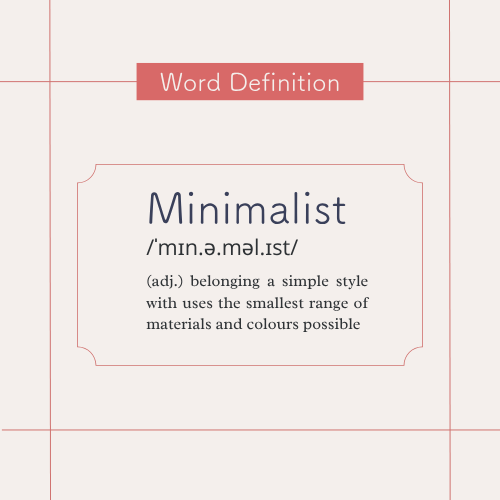
Minimalist thinking helps here—not as a trend, but as a survival tool. The goal is not to do less for the sake of it, but to remove what drains you so what matters can breathe.
01: Reset Your Expectations, Not Your Entire Life
Many people fail to reset their lives because they start too big. They aim for total transformation and burn out before change has time to settle.
Instead, begin by resetting expectations.
Ask yourself:
Do I expect too much productivity from myself?
Do I feel guilty when resting?
Am I living according to values I chose—or inherited?
A quiet but powerful reset begins when you allow life to be good enough instead of optimized.
This mental shift alone can reduce stress and open space for better decisions.
02: Create a “Less, But Better” Daily Structure
One of the most practical ways to reset your life is to redesign your daily rhythm.
Not your goals. Your days.
Try this minimalist structure:
One priority per day (not five)
One anchor habit (walks, journaling, stretching)
One intentional pause (no phone, no input)
When days feel manageable, life stops feeling overwhelming.
You don’t need a perfect routine. You need one that feels kind to your nervous system.
03: Reset Your Relationship With Your Phone
If 2026 is the year you reset your life, your phone deserves special attention.
This doesn’t mean deleting every app. It means changing how and when you engage.
Practical ideas:
No phone for the first 30 minutes after waking
Remove apps that trigger comparison
Turn off non-essential notifications
Create “offline rituals” (coffee, meals, walking)
Your attention is your most valuable asset. Protecting it is not laziness—it’s self-respect.
04: Declutter With Purpose (Not Pressure)
Physical clutter often mirrors mental clutter. But decluttering doesn’t have to be extreme.
A gentle reset approach:
Declutter one small area per week
Keep items that support who you are now
Release objects tied only to guilt or obligation
Minimalism here is emotional, not aesthetic. The question is not “Do I need this?” but “Does this support my current life?”
Many people notice mental clarity increase simply by reducing visual noise.
05: Reset How You Measure Progress
Modern life teaches us to measure progress in numbers—income, followers, output, speed.
A life reset asks you to change the scoreboard.
Try measuring:
How often you feel present
How well you sleep
How often you say no without guilt
These are quieter metrics, but they are far more predictive of long-term happiness.
06: Make Space for Weekly Reflection
One of the simplest yet most effective reset practices is weekly reflection.
You don’t need a complex system. Just ask:
What felt good this week?
What drained me?
What do I want slightly less of next week?
Five to ten minutes is enough.
Reflection prevents life from becoming a blur. It turns experience into wisdom.
07: Choose One Area to Improve—Only One
If you want change that sticks, resist the urge to fix everything.
Pick one:
Sleep
Movement
Relationships
Mental health
Home environment
Small, focused changes compound faster than scattered effort.
A life reset succeeds when it feels sustainable, not heroic.
Why Resetting Your Life Is Not a Sign of Failure
Many people secretly believe that wanting to reset their life means something went wrong.
In reality, it often means something went right—you grew.
Your needs changed. Your values evolved. Your tolerance for noise decreased.
Resetting your life is not quitting. It’s updating your operating system.

A Gentle Invitation to the Reader
Time flies fast, pause for a moment. Ask yourself:
What is one small change I could make this week?
What would “enough” look like for me in 2026?
You don’t need to act on everything at once. But naming the change is a powerful first step.
If you feel somethings hit your heart, consider sharing your thoughts in the comments—sometimes clarity emerges when we put words to it. And if you know someone who feels quietly overwhelmed, sharing this article might help them feel less alone.
2026 Doesn’t Need a New You—Just a Clearer One
Resetting your life in 2026 doesn’t require abandoning your city, your career, or your identity.
It requires honesty. Subtraction. And the courage to design a life that feels calmer, lighter, and more aligned.
This is not about becoming someone else.
It’s about finally living as yourself—on purpose.