#06 | Simple Self-Care Tips for Busy People
Self-care doesn’t fail because people don’t care about themselves. It fails because it’s often presented as too big, too time-consuming, or too idealized.
Most people searching for self care tips aren’t looking to transform their lives overnight. They’re looking for small ways to feel a little better, a little calmer, and a little more energized—without disrupting their routines.
This guide focuses on exactly that.
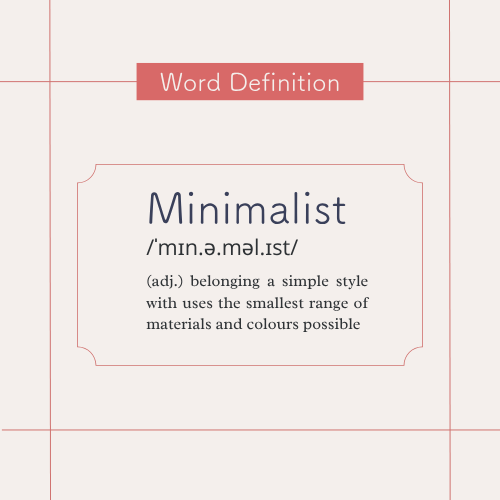
Simple as minimalist approach.

What Makes a Self-Care Tip “Actually Work”?
A common question people ask is:
What are realistic self-care tips for everyday life?
The answer is simple:
A self-care habit works if you can repeat it—especially on average days.
Effective self-care tips share three traits:
They require low effort
They fit into existing routines
They improve how you feel, even slightly
That improvement might be physical, mental, or emotional. It might last five minutes or an entire afternoon. All of it counts.
If you want a deeper foundation behind these ideas, the Self-Care: A Modern, Minimalist Guide explains why these small actions matter over time.
Tip 1: Redefine Self-Care as “Energy Maintenance”
Before adding habits, shift your lens.
Instead of asking:
“Is this productive?”
“Is this enough?”
Try asking:
“Does this help me feel more steady?”
“Does this give me energy or take it away?”
Self-care is less about doing “the right thing” and more about noticing how your body and mind respond.
This mindset makes self-care flexible—and personal.
Tip 2: Start with One Daily Pause
One of the most overlooked self-care tips is also the simplest:
pause on purpose.
A pause can be:
Sitting quietly before opening your phone
Taking three slow breaths between tasks
Standing by a window for a moment
These pauses tell your nervous system that it’s safe to slow down—even briefly.
If you’re interested in building these pauses into a structure, the upcoming self-care routine guide will show how to do this without rigidity.
Tip 3: Choose Comfort Without Guilt
People often wonder:
Is it okay if my self-care is just resting or doing nothing?
Yes. Often, that’s exactly what your system needs.
Comfort-based self-care might include:
Wearing clothes that feel good
Eating something warm and familiar
Sitting instead of standing
Going to bed earlier than planned
Comfort is not laziness. It’s regulation.
Tip 4: Move Gently, Not Aggressively
Movement is a powerful self-care tool—but only when it supports you.
Effective movement-based self-care looks like:
Stretching for five minutes
Walking without tracking steps
Rolling your shoulders or neck
Standing up between long sitting periods
The goal is circulation and relief, not performance.
For many people, this becomes a sustainable habit because it removes pressure entirely.
Tip 5: Create One “Low-Stimulation” Moment a Day
Modern life is loud—even when it’s quiet.
Low-stimulation self-care can include:
No music, no podcast, no scrolling
Eating one meal without screens
Sitting in silence for a few minutes
Dimming lights earlier in the evening
These moments help your mind reset naturally.
If you ever plan a dedicated self-care day, these practices become even more effective—but they don’t require one.
Tip 6: Let Your Self-Care Be Imperfect
A frequent People Also Ask question is:
How do I stick to self-care when I can’t be consistent?
The answer: stop aiming for consistency.
Aim for returning.
Self-care works when you:
Resume after missing a day
Adjust instead of quitting
Allow your habits to change with your energy
Perfection kills self-care. Flexibility sustains it.
Tip 7: Protect One Small Boundary
Boundaries are a form of self-care that costs nothing—and saves energy.
A small boundary might be:
Not replying immediately
Saying “I’ll get back to you”
Leaving a conversation earlier
Not filling every empty moment
These boundaries are quiet, but powerful.
Later in this series, we’ll explore how boundaries show up differently in self-care for men and self-care for women, depending on expectations and roles.
Tip 8: Notice What Already Helps You Feel Better
Here’s an underrated self-care tip:
You may already be doing it.
Ask yourself:
When do I feel most relaxed?
What helps me reset naturally?
What do I miss when I’m stressed?
Your answers might surprise you.
Self-care doesn’t have to be new. Sometimes it just needs to be noticed and protected.
Tip 9: Make Your Space Slightly Kinder
Environmental self-care often starts small.
Examples:
Clearing one surface
Adjusting lighting
Opening a window
Reducing background noise
You don’t need a perfect space. Just one that supports your nervous system instead of overstimulating it.
Tip 10: Share Your Self-Care Habit (Yes, Really)
Self-care doesn’t have to be solitary.
Sharing your habit—casually—can:
Normalize rest and balance
Inspire others without pressure
Help you stay aware of what helps you
Your habit might be:
A short walk
A quiet coffee
Stretching before bed
Turning off notifications early
If you have a self-care habit that helps you feel calmer or more energized, consider sharing it with your community—online or offline. You never know who might need the reminder.
Self-Care Tips That Fit Real Life
If there’s one thing to remember, it’s this:
Self-care is not about copying someone else’s routine.
It’s about honoring what helps you function and feel better.
As this series continues, you’ll find:
A practical guide to building a self-care routine
Ideas for a restorative self-care day
Tailored insights for different life experiences
A gentle 50 self-care bucket list for inspiration
Each builds on this foundation—without overwhelming you.
Final Thought
Self-care doesn’t need to be dramatic to be meaningful.
Small habits done with intention can quietly change how your days feel.
Start with one.
Adjust when needed.
And if it helps—even a little—it counts.
One share can spark a shift. Pass it on and empower others to do less, achieve more.

Our world is full of joy and good vibe.
Let’s share with the community about how you make yourself happy everyday!
You voice is matter and may help people find their better lives together.