#04 | 17 Minimalist Ways to Get More Done Without Losing Your Life Balance
Life is good. Truly. And with the right productivity hack, life can feel even better—lighter, calmer, and more intentional.
If you’re a city-dwelling adult in your 20s, 30s, or early 40s, chances are you’re juggling a full plate: work deadlines, side hustles, social life, fitness goals, mental health, and the constant buzz of notifications. You don’t want to “hustle harder.” You want balance. You want progress without burnout.
This Just Minimalist blog post is built exactly for that mindset.
Instead of chasing complicated systems, this article focuses on minimalist, human-centered productivity hacks—inspired by proven ideas from behavioral science, ADHD-friendly strategies, and modern workplace best practices. These ideas support productivity improvement while respecting your energy, attention, and well-being.
Let’s simplify productivity—without draining the joy from your life.
Why Productivity Hacks Matter More Than Ever
Productivity today isn’t about doing more. It’s about doing what matters—on purpose.
Modern productivity hacks for adults focus on:
Reducing decision fatigue
Creating mental clarity
Supporting neurodiverse brains (including ADHD)
Designing days that feel sustainable
A good productivity hack should make your life easier, not busier.
Understanding ADHD: A Different Way the Brain Works (Not a Weakness)
ADHD, short for Attention-Deficit/Hyperactivity Disorder, is often misunderstood. In simple terms, it means the brain works in a different way, especially when it comes to attention, focus, and impulse control. People with ADHD may find it harder to stay focused on tasks that feel boring or repetitive, yet they can become deeply absorbed—sometimes for hours—when something truly interests them. This isn’t a flaw. It’s a difference in how the brain manages attention and energy.
It’s important to know that ADHD is not a lack of effort, intelligence, or discipline. Many adults with ADHD are creative, quick-thinking, and highly intuitive. Their minds are often full of ideas, patterns, and connections that others might miss. The challenge usually comes from living in a world designed for linear thinking and long periods of sustained focus, which doesn’t always match how an ADHD brain naturally operates.
ADHD is also not a vulnerability or something to be ashamed of. It’s simply a neurological variation—one that comes with both challenges and strengths. With the right structure, supportive productivity systems, and self-awareness, people with ADHD can thrive at work and in daily life. Many of the productivity tips shared in this blog—like short work sprints, visual tracking, and minimalist routines—are not “special fixes,” but smart strategies that benefit everyone.
When we understand ADHD with compassion and clarity, productivity becomes less about forcing focus and more about working with your brain instead of against it. And that mindset shift alone can make everyday life feel lighter, calmer, and far more achievable.
1. Start Your Day With One Clear Win
Before checking emails or messages, define one meaningful task you want to complete today.
Why it works:
Creates direction
Reduces overwhelm
Builds early momentum
This is one of the most effective productivity hacks at work and at home.
2. Design Your Morning, Don’t Scroll It Away
The first 30 minutes of your day shape your mental tone.
Minimalist morning ideas:
Drink water
Stretch for 5 minutes
Write 3 priorities
Avoid social media
Simple routines beat perfect routines every time.
3. Use Time Blocks, Not Endless To-Do Lists
To-do lists grow. Time blocks create boundaries.
Instead of listing 20 tasks, block:
9:00–10:30 → Deep work
11:00–11:30 → Admin
2:00–3:00 → Meetings
This productivity hack helps protect your focus and prevents burnout.
4. Work in Short Sprints (Especially for ADHD)
Long work sessions don’t work for everyone.
Try:
25 minutes work
5 minutes rest
Repeat 3–4 times
This is one of the most practical productivity tips for ADHD, but it works for anyone with a busy mind.
5. Reduce Your “Open Loops”
Unfinished tasks drain mental energy.
Quick fix:
Write them down
Schedule or delete
Stop carrying them mentally
Closing loops leads to instant productivity improvement.
6. Create a “Done for Today” List
At the end of your day, write what you finished—not what’s left.
Why it matters:
Builds confidence
Reinforces progress
Ends the day with clarity
This mindset shift is a powerful productivity hack often overlooked.
7. Optimize Your Environment, Not Your Willpower
Your space shapes your behavior.
Minimalist tweaks:
Clear desk = clearer mind
Phone out of reach
One tab open at a time
Good environments make productivity automatic.
8. Limit Daily Priorities to Three
More priorities = less progress.
Choose:
1 work priority
1 personal priority
1 health or relationship priority
This is one of the most sustainable productivity hacks for adults.
9. Use Energy-Based Scheduling
Not all hours are equal.
Pay attention to:
When you focus best
When you feel social
When you feel tired
Match tasks to energy—not the clock.
10. Embrace “Good Enough”
Perfection kills momentum.
Instead of perfect:
Aim for finished
Improve later if needed
This mindset unlocks real productivity improvement.
11. Build Friction Against Distractions
Make distractions harder to access.
Examples:
Log out of social apps
Use website blockers
Keep phone in another room
This productivity hack protects your attention gently.
12. Use Visual Progress Tracking
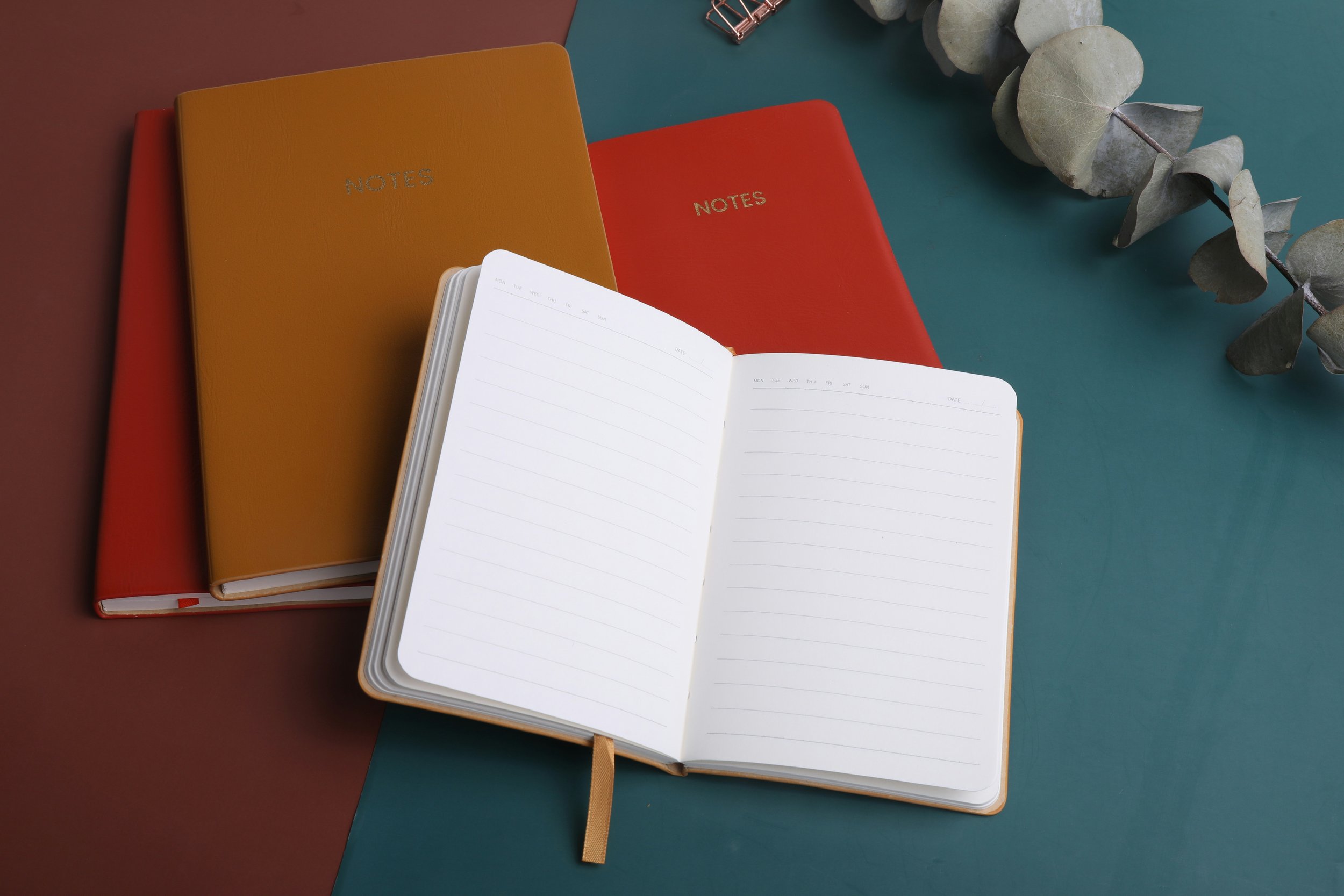
Seeing progress motivates action.
Try:
Checklists
Habit trackers
Simple calendars
Visual cues work especially well for ADHD brains.
13. Batch Similar Tasks Together
Context switching wastes energy.
Batch:
Emails
Calls
Errands
Content creation
This is one of the most efficient productivity hacks at work.
14. Take Real Breaks (Without Screens)
Scrolling is not rest.
Better breaks:
Walk outside
Stretch
Breathe
Do nothing
Real breaks improve focus and creativity. Let’s explaore you you can truely take a break and pamper yourself with our minimalist approach self-care tips.
15. End Your Day With a Brain Dump
Before sleep, write everything on your mind.
Benefits:
Better sleep
Less anxiety
This simple productive habit supports long-term productivity improvement.

16. Keep Your Productivity System Simple
Complex systems fail when life gets busy.
Minimalist rule:
One task manager
One calendar
One note system
Simple systems last.
17. Measure Progress Weekly, Not Daily
Daily productivity fluctuates. Weekly patterns matter more.
Weekly check-in questions:
What worked?
What drained me?
What should I simplify?
This reflection keeps productivity human and balanced.
Productivity Hacks at Work Without Burnout
Productivity at work isn’t about squeezing more hours—it’s about protecting focus.
Healthy workplace productivity tips:
Set clear boundaries
Communicate availability
Focus on outcomes, not busyness
Your value is not measured by constant availability.
Productivity Tips for ADHD-Friendly Living
If your brain works differently, productivity should too.
Helpful strategies:
Short work sprints
Visual reminders
External structure
Flexible routines
These productivity tips for ADHD are about support—not fixing yourself.
Productivity Improvement Through Minimalism
Minimalism isn’t about owning less—it’s about doing less that doesn’t matter.
When you remove:
Unnecessary tasks
Digital clutter
Mental noise
You create space for what truly matters.

Being productive is far away from being perfectionist.
It’s a kind of self-descipline every adult should master in order to make thier lives better and in tac. Think of it like this, driving without compass, stearling the wheel is leading to accident. So productivity is the self-compass which help you remember who you are, where you are heading on even sometime you want to pamper yourself.
At Just Minimalist, we’re committed to help our community better with positive vibe. Share your though about reading our blog. I will read all of your comment and maybe, just your opinion might help the world better and more positive. And you may want to discover more about other two pillar of the comunity, Money and Wellness.