
#13 | What Is the U.S. Federal Reserve—and Why Should Global Investors Care?
If you’ve ever noticed global markets moving sharply after a short statement from the U.S., or seen headlines like “The Fed signals a pause” or “Markets rally on dovish Fed tone”, you’ve already encountered the influence of the U.S. Federal Reserve—even if you didn’t realize it.
For many first-time investors, especially those in their 20s to 40s, the Federal Reserve can feel distant, technical, or even intimidating. But here’s the truth:
You don’t need to trade aggressively or live in the U.S. for the Federal Reserve to shape your investment world.
Understanding what the Fed is—and why it matters—is one of the most important foundations for global, long-term investing.

This guide explains the Federal Reserve in clear, practical terms, answers the most common People Also Ask questions, and sets the stage for smarter decision-making without fear or overreaction.
What Is the U.S. Federal Reserve in Simple Terms?
The U.S. Federal Reserve, often called “the FED,” is the central bank of the United States.
In simple terms:
It manages the supply and cost of money
It aims to keep the economy stable
It acts as a financial safety system during crises
Unlike commercial banks, the Fed does not exist to make profits. Its role is to balance growth and stability in the U.S. economy—an economy that happens to sit at the center of the global financial system.
Is the Federal Reserve part of the U.S. government?
Not exactly.
The Federal Reserve is independent but accountable:
Created by Congress
Operates separately from political control
Reports regularly to lawmakers
This independence allows the Fed to make long-term economic decisions without short-term political pressure—something global investors rely on more than they realize.
What Does the Federal Reserve Actually Do?
The Fed has three core responsibilities, all of which directly affect investors worldwide.
1. Managing Interest Rates
The Fed influences short-term interest rates, which affect:
Borrowing costs
Savings yields
Stock and bond valuations
Currency flows
Interest rates are not just a U.S. issue. When U.S. rates change, global capital moves.
2. Controlling Inflation
Inflation erodes purchasing power. Too little inflation slows growth; too much creates instability.
The Fed’s job is to keep inflation moderate and predictable, which supports:
Business planning
Consumer confidence
3. Supporting Financial Stability
During crises—such as the 2008 financial meltdown or the 2020 pandemic—the Fed acts as a liquidity backstop, preventing financial systems from freezing.
For long-term investors, this role is critical. Stability enables compounding to work.
Why Does the Federal Reserve Matter to Global Investors?
Because the U.S. dollar is the world’s primary reserve currency.
That means:
Global trade is priced in dollars
Commodities (oil, gold) move with dollar strength
International capital flows respond to U.S. monetary policy
When the Fed changes direction, markets across Asia, Europe, and emerging economies feel the ripple.

How the Fed Influences Global Markets (Without You Noticing)
You may not track Fed announcements—but you experience their effects:
Stock market volatility after policy signals
Currency movements impacting international ETFs
Bond yield changes affecting retirement portfolios
Capital shifts between growth and defensive assets
For first-time investors, this isn’t a reason to panic. It’s a reason to understand the system instead of reacting emotionally.
Does the Federal Reserve Control the Stock Market?
No—but it sets the environment.
Think of the Fed as adjusting the climate, not dictating individual outcomes.
Low rates encourage growth and risk-taking
Higher rates slow excess speculation
Markets still rise and fall based on earnings, innovation, and productivity
Long-term investors succeed not by predicting Fed moves—but by building portfolios that can live through them.
Why First-Time Investors Should Care (But Not Obsess)
Many new investors fall into one of two traps:
Ignoring the Fed entirely
Overreacting to every Fed headline
Neither approach works.
A healthier mindset:
Understand the Fed’s role
Avoid short-term predictions
Stay focused on long-term allocation
This is where index investing, diversification, and consistency shine—topics that your cluster articles will explore in depth.
The Federal Reserve and Long-Term Investing
Because long-term investing is about systems, not events.
Over decades:
The Fed raises and cuts rates many times
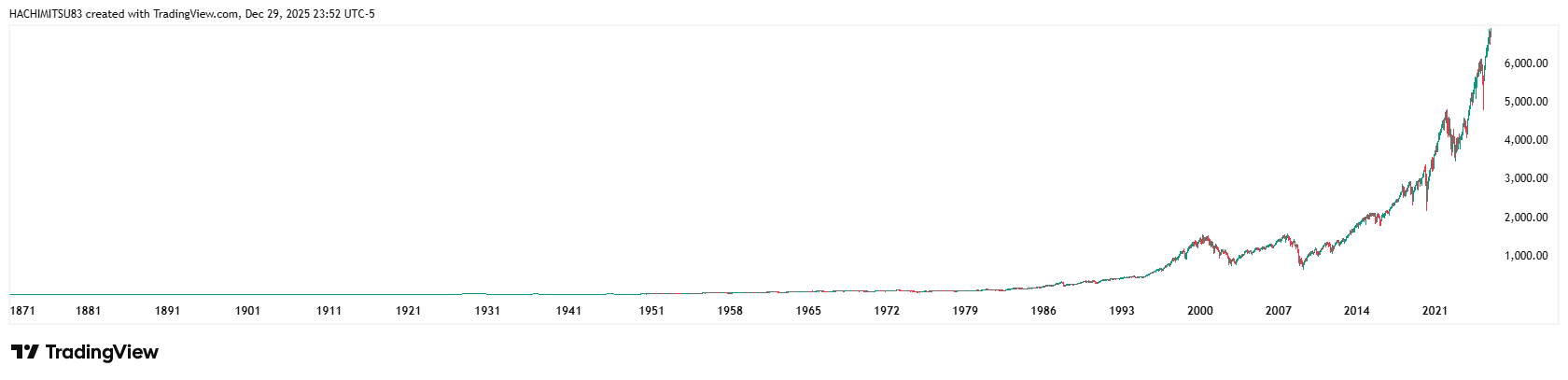
Markets adjust and continue growing
Patient investors benefit from compounding
History such as the S&P 500 historical return shows that investors who stay invested through Fed cycles outperform those who jump in and out based on fear.
Investment as a Lifelong Growth Skill
Understanding the Federal Reserve isn’t about chasing returns. It’s about building financial literacy that compounds alongside your capital.
For modern city dwellers navigating careers, family goals, and global uncertainty, investing becomes:
A way to participate in global growth
A tool for future flexibility
A long-term relationship with risk and patience
The Fed is simply one part of that ecosystem—important, but not overpowering.
Final Thought
You don’t need to predict the Federal Reserve to become a successful investor.
You only need to understand its role, respect its influence, and design a strategy that doesn’t depend on perfect timing.
That’s how global investors grow—steadily, thoughtfully, and over time.
Unlock Your Clarity — Join Our Community Today

Master your money is considered as an adult skill. Take the full control of your income, spending, and investment by leveraging knowledge from time to time.
I’m not an expert, but here to help if you’re stuggle with personal money managment. Leave your questions and comments in the comment box below. I read all messages from you, and let’s expand the world of simplicity about money together.